
Who pays for what at a UK wedding? The awkward money question, answered

Who pays for the wedding in the UK? Here's the traditional breakdown, what couples really do now and how to talk about money with both families without it getting awkward.
Picture the scene. You've just got engaged. Both families are round the table for a celebratory Sunday roast. Everyone's buzzing. Then someone asks it: "So... who's paying for all this?"
Suddenly your dad is very interested in the gravy. Your future mother-in-law is studying her roast potatoes like they hold the secrets of the universe. And you're sat there wishing you'd eloped to Gretna Green.
Money is the one wedding topic everyone wonders about and nobody wants to raise. So let's do it for you. Here's who traditionally paid for what, what couples in the UK actually do now and how to have the chat without anyone choking on a Yorkshire pudding.
The traditional rules (a quick history lesson)
Once upon a time, wedding costs followed a fairly strict script. You don't have to follow it (more on that in a minute) but it's helpful to know where everyone's expectations might be coming from. Especially if your nan has opinions.
The bride's family traditionally paid for:
The ceremony and the reception, including venue, food and drink
The wedding dress and the bride's outfit
The bridesmaids' dresses
Flowers for the ceremony and reception
Invitations and stationery
The photographer
The wedding cars
The cake
The groom traditionally paid for:
The engagement ring and the wedding rings
Ceremony or registrar fees
The bride's and bridesmaids' bouquets
Buttonholes for the groom's party
Thank-you gifts for the best man, ushers and bridesmaids
The honeymoon
The groom's family traditionally paid for:
Not a lot, if we're being honest. They might have offered to help with the drinks or the rehearsal dinner. Nice work if you can get it.
Looking at that list, you can see why the bride's parents might go a bit pale when the tradition gets mentioned. It's a lot. Which is exactly why most couples have moved away from it.
What couples actually do now
Here's the truth: there's no rulebook anymore. Couples are getting married later, often living together first and usually earning their own money. Families come in every shape and size. So the "bride's dad writes one big cheque" model has mostly been replaced by something more flexible.
These are the most common set-ups today.
The couple pays for most of it. Lots of couples now fund their wedding themselves, sometimes with small gifts from family. It means more freedom and fewer opinions. It can also mean a longer engagement while you save.
Both families chip in. Each side offers an amount they're comfortable with and the couple covers the rest. This works well when both families want to help and it feels fair to everyone.
Families "adopt" a cost. Instead of handing over money, a family member pays for one specific thing. Mum buys the dress. Your in-laws cover the bar. Grandad pays for the cake. It feels personal and it's easy to keep track of.
A bit of everything. Money from parents, a friend who's a baker making the cake, an aunt doing the flowers, the rest paid by the two of you. Honestly? This is how most real weddings end up.
None of these is the "right" way. The right way is the one that works for your families and doesn't leave anyone quietly resentful.
How to have the money chat (without it getting weird)
This is the bit most couples dread. But a slightly awkward conversation now is far better than a very awkward one three months before the wedding. Here's how to make it easier.
Talk to each other first
Before you speak to either family, sit down as a couple. What sort of wedding do you want? Roughly what could you afford on your own? What matters most to you and what could you happily skip? Go into the family chat as a team with the same answers.
Ask, don't assume
Never assume your parents are planning to pay (or that they aren't). Try something like: "We're starting to plan the budget. Would you like to be involved? No pressure at all." That gives them the chance to offer without feeling put on the spot.
Speak to each family separately
Having both sets of parents at the same table while discussing money can feel like a very tense episode of Dragons' Den. Chat to each family on their own so nobody feels compared.
Be specific
"We'd love some help" is lovely but vague. If someone offers to contribute, ask whether they have an amount in mind or a particular thing they'd like to pay for. It saves confusion later.
Talk about the strings (yes, there might be strings)
Here's the tricky one. Sometimes money comes with expectations. Like 30 extra guests you've never met. Or a firm opinion on the venue.
It's worth gently asking: "Is there anything you'd like a say in?" Then decide as a couple whether the help is worth it. Sometimes it absolutely is. Sometimes a smaller wedding with fewer opinions is the better deal.
Say thank you (lots)
Whatever anyone offers, big or small, thank them properly. A heartfelt note goes a long way. Families remember how they were made to feel long after they've forgotten the amount.
Keeping track of who's paying for what
Once the offers start coming in, here's where things can get messy. Your mum said she'd cover the flowers. Or was it the cake? Did your in-laws say £2,000 or "up to" £2,000? Has that money actually arrived yet or is it still a promise?
This is where your wedding budget becomes your best friend. For every contribution, write down:
- Who is contributing
- What it's for (a specific item or general budget)
- How much they've offered
- When it's arriving
- When the payment is due to the supplier
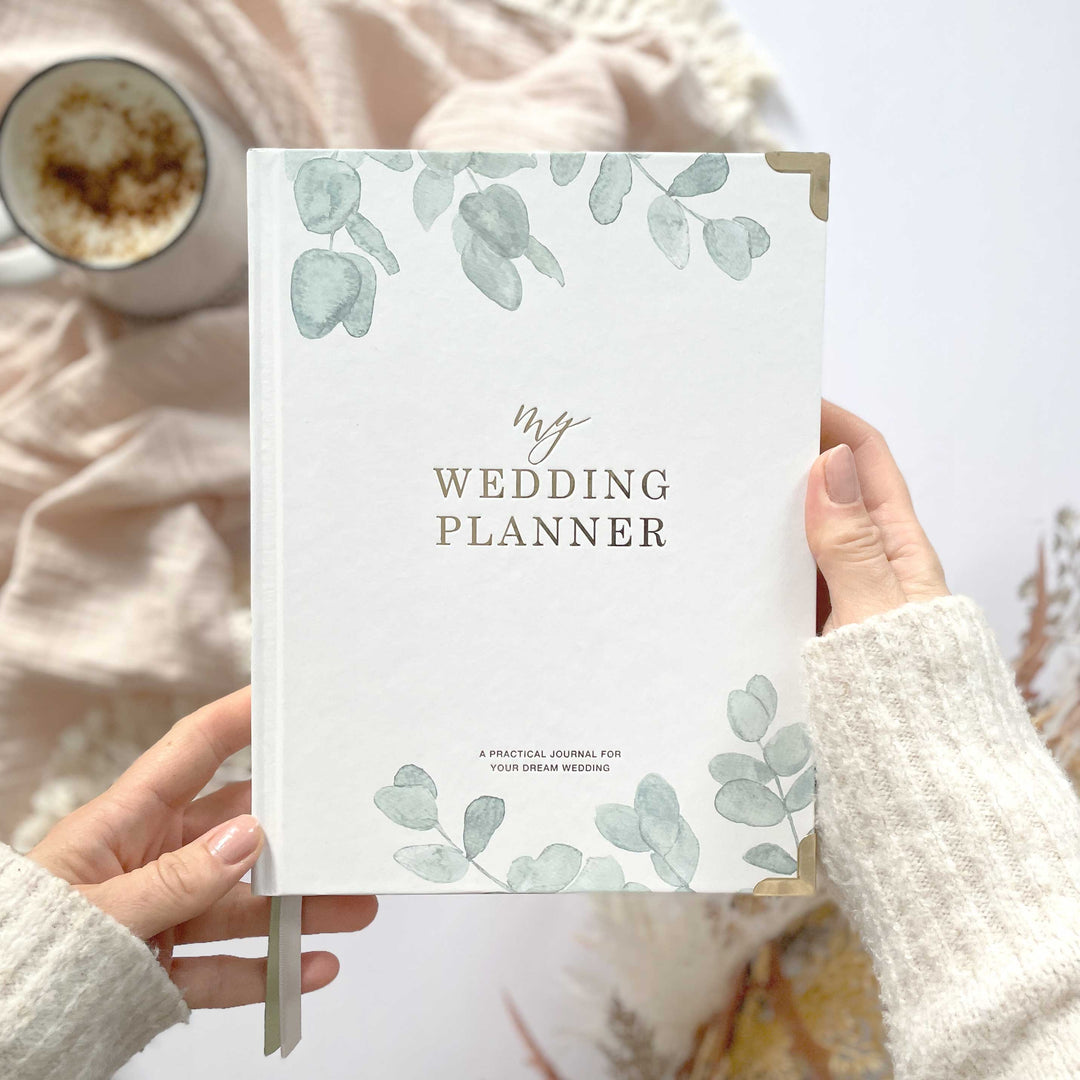
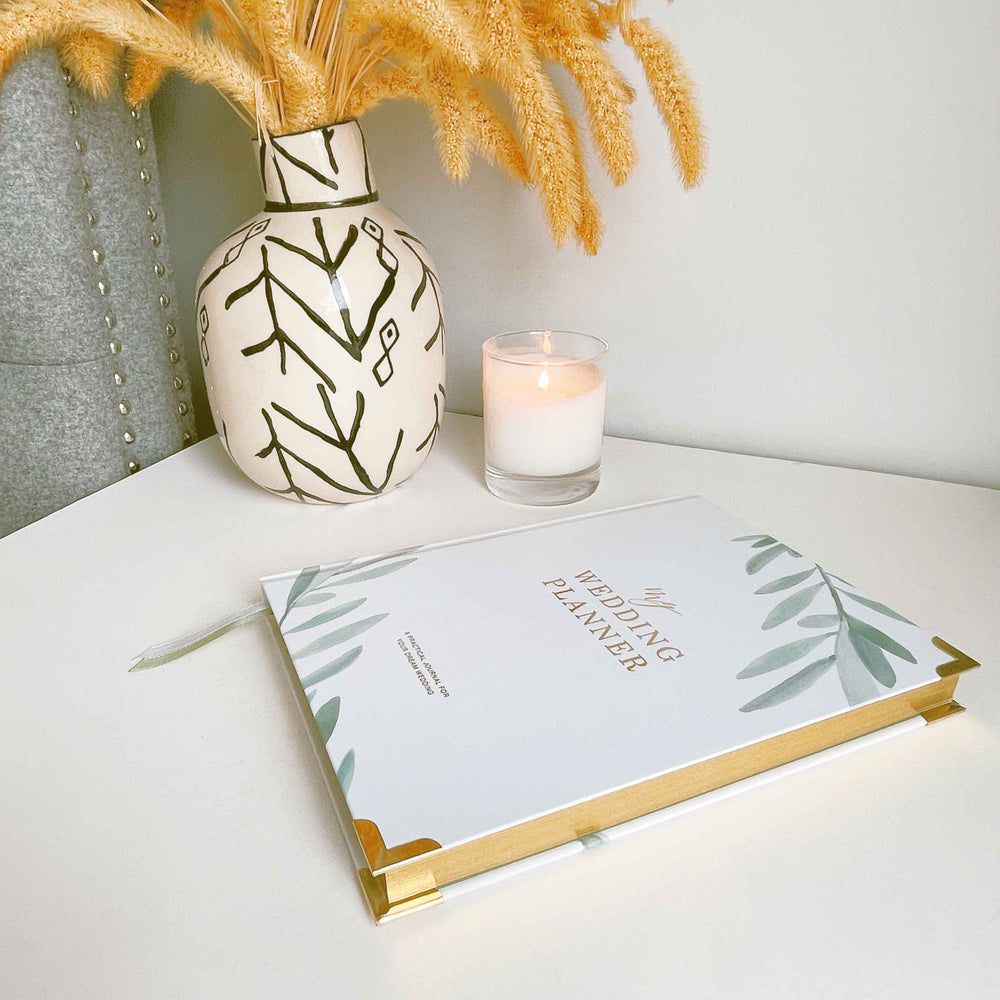
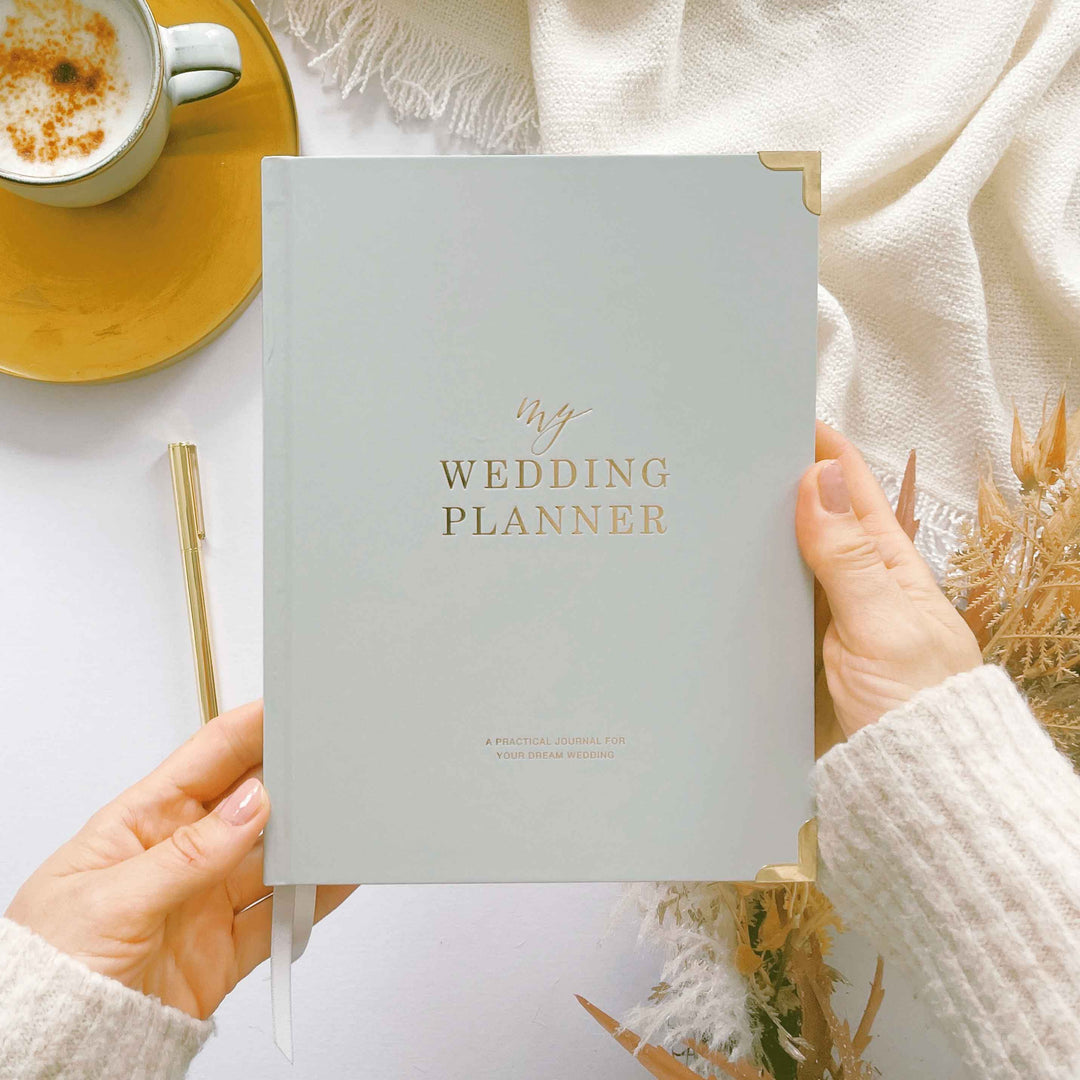
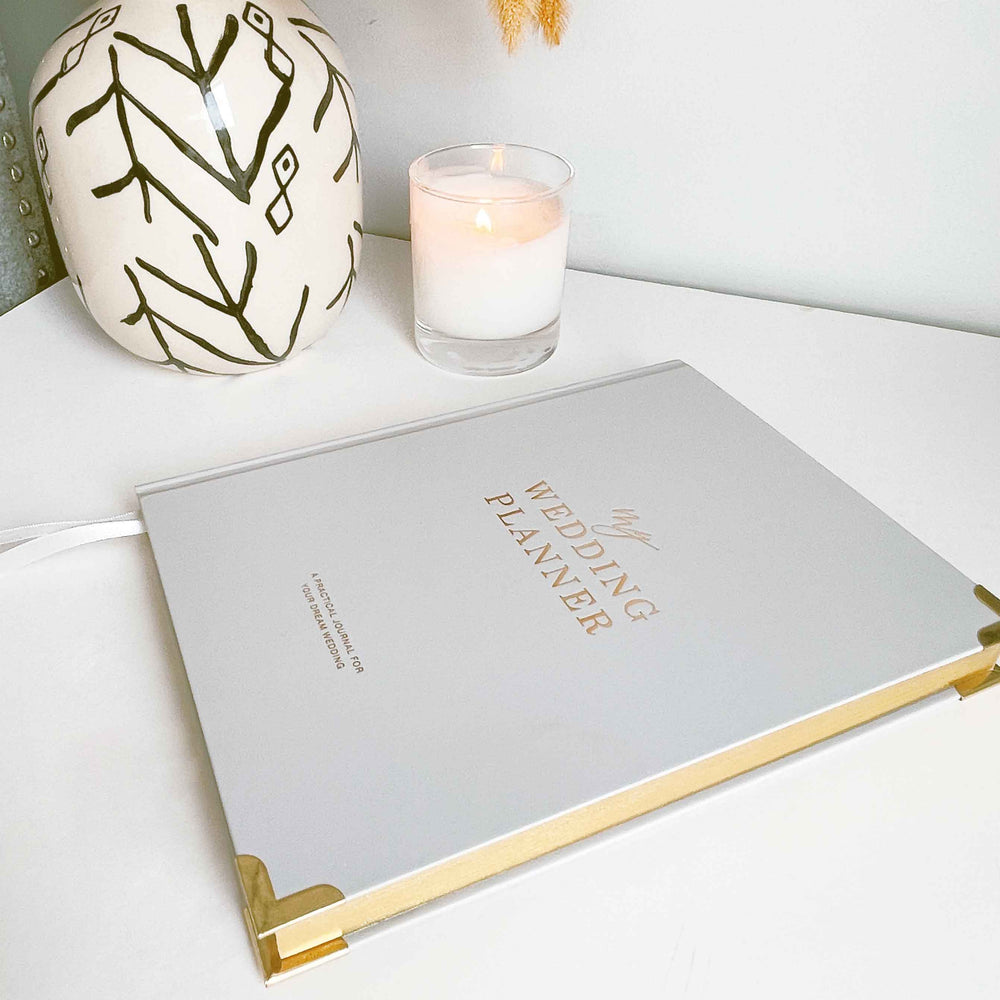
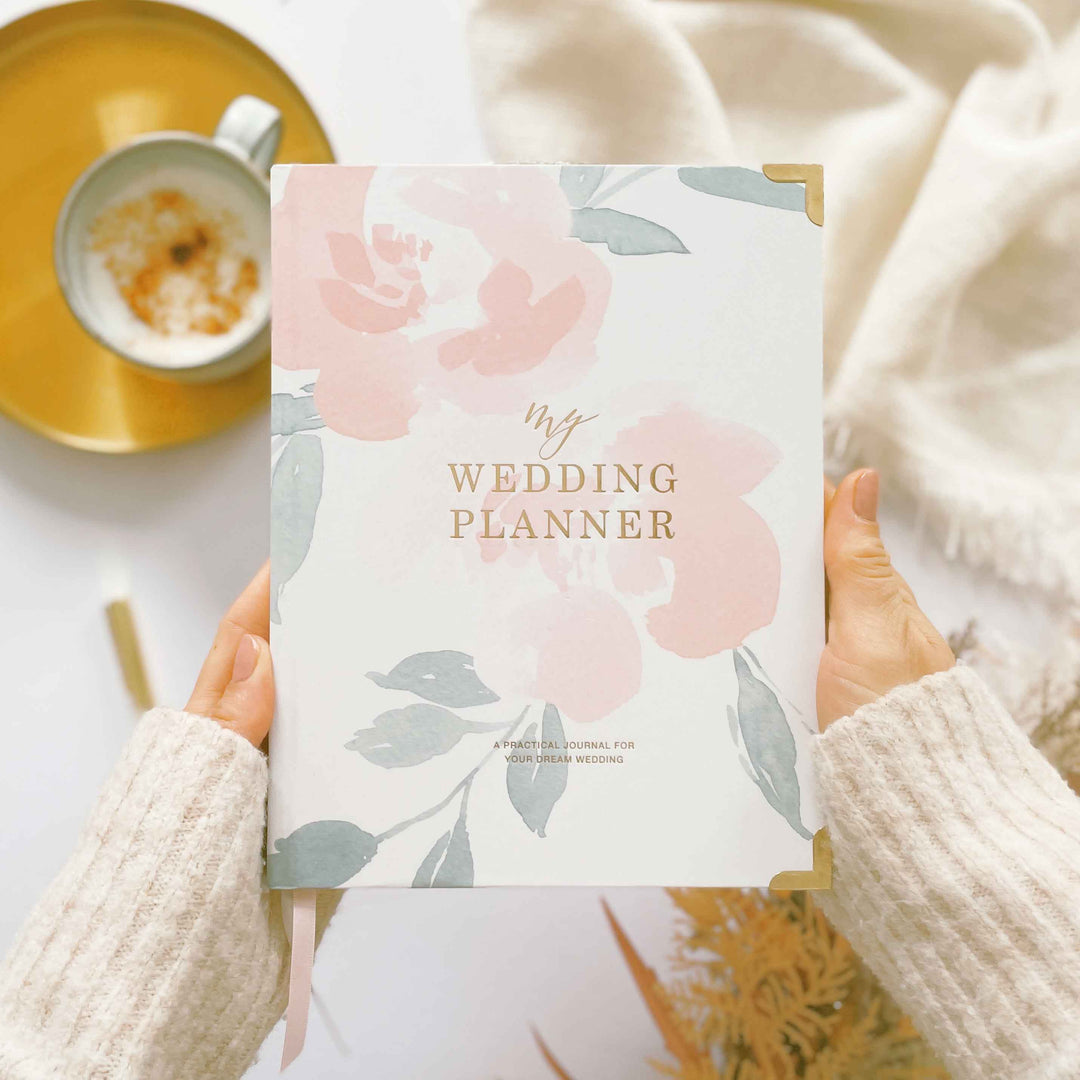
Then keep it all somewhere that isn't the back of an envelope. Our Wedding Planner Binder has space for your budget, supplier details and payment dates, so you can see at a glance what's covered and what's still to pay. It also looks gorgeous on the coffee table, which makes budgeting feel about 40% less painful. (That figure is entirely made up. But it feels true.)
If you love a weekly to-do list, our luxury weekly planner with gold foil is perfect for keeping on top of payment deadlines alongside everything else life throws at you.
And if you've got a newly engaged friend who's about to face all of this? A wedding planner makes a lovely engagement or bridal shower gift. Take a look at our engagement and bridal shower gift service for something a bit special.

Who pays for the wedding is completely up to you and your families. Tradition is a starting point, not a rule. Talk early, be honest, stay grateful and write everything down.
Do that and the money chat becomes just another item ticked off the list. Then you can get back to the fun bits. Like the cake tasting.